Why One-Button Games Are So Hard to Put Down
A single tap should be simple, so why do one-button games feel so gripping? A look at timing, rhythm and fair difficulty in minimal game design.
Some of the most addictive games ever made ask you to do just one thing: tap. No menus of moves, no complicated controls. And yet "one more try" can easily turn into twenty. This article looks at why minimal controls create such strong games, using three titles from our library as examples.
Simplicity removes the barrier
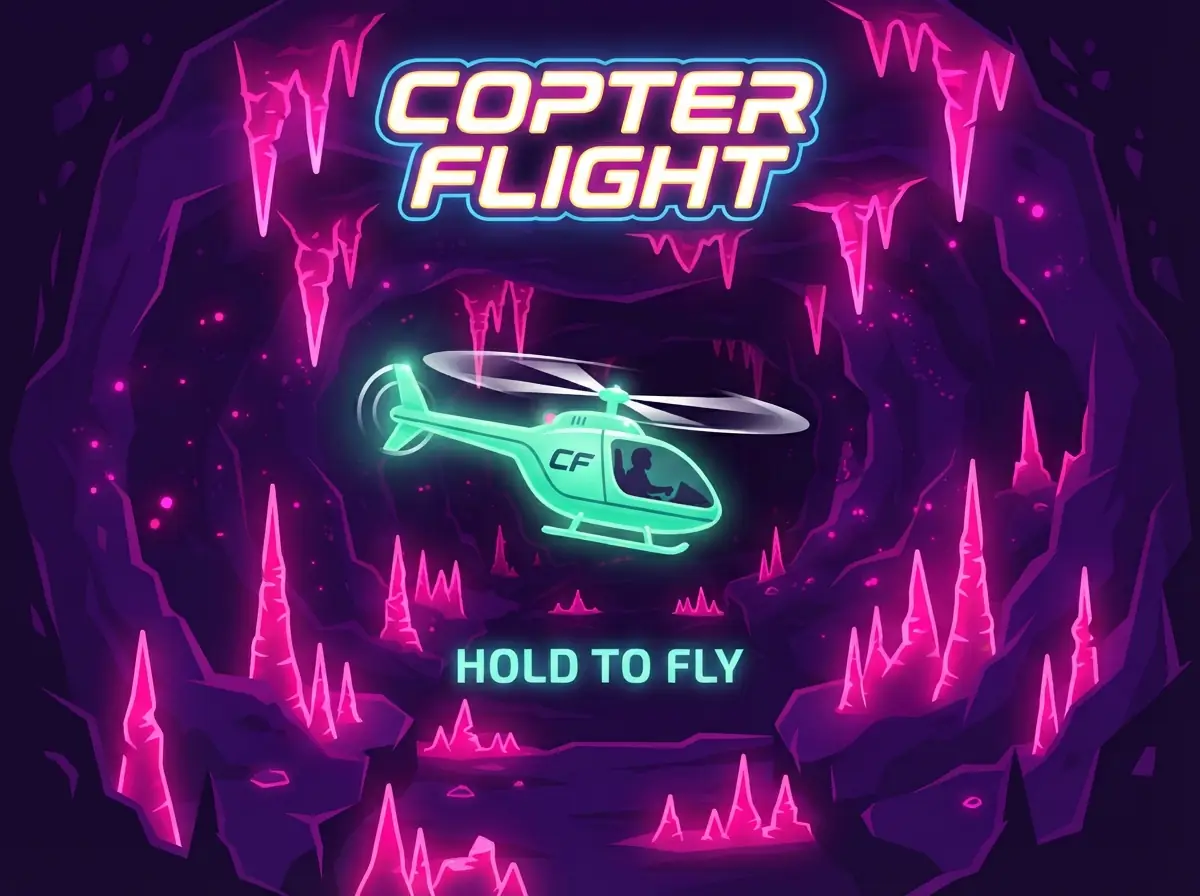
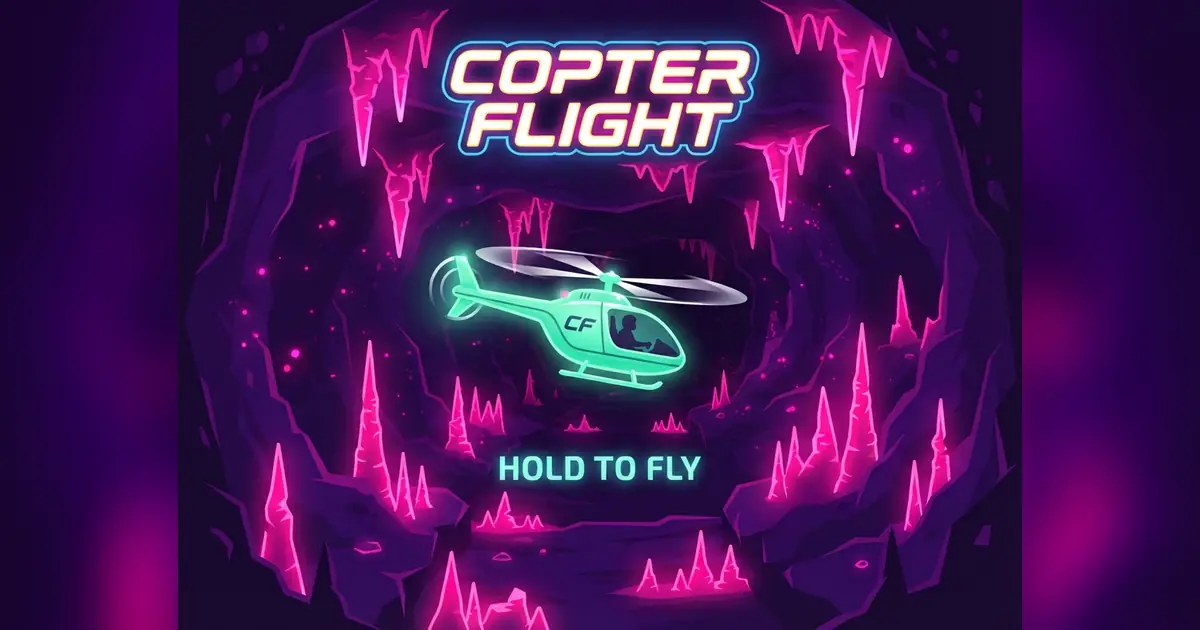
When a game uses one button, anyone can start instantly. There is no tutorial to sit through and no fear of pressing the wrong key. In Copter Flight, you hold to climb and let go to drop. Within a second you understand the whole game.
That instant clarity matters on phones in particular, where players often have a spare minute and one free thumb.
Depth comes from timing
If the input is simple, where does the challenge come from? The answer is timing. The question is never which button to press, but when to press it.
- In Copter Flight, holding a fraction too long sends you into the ceiling, and the tunnel keeps narrowing as your distance grows.
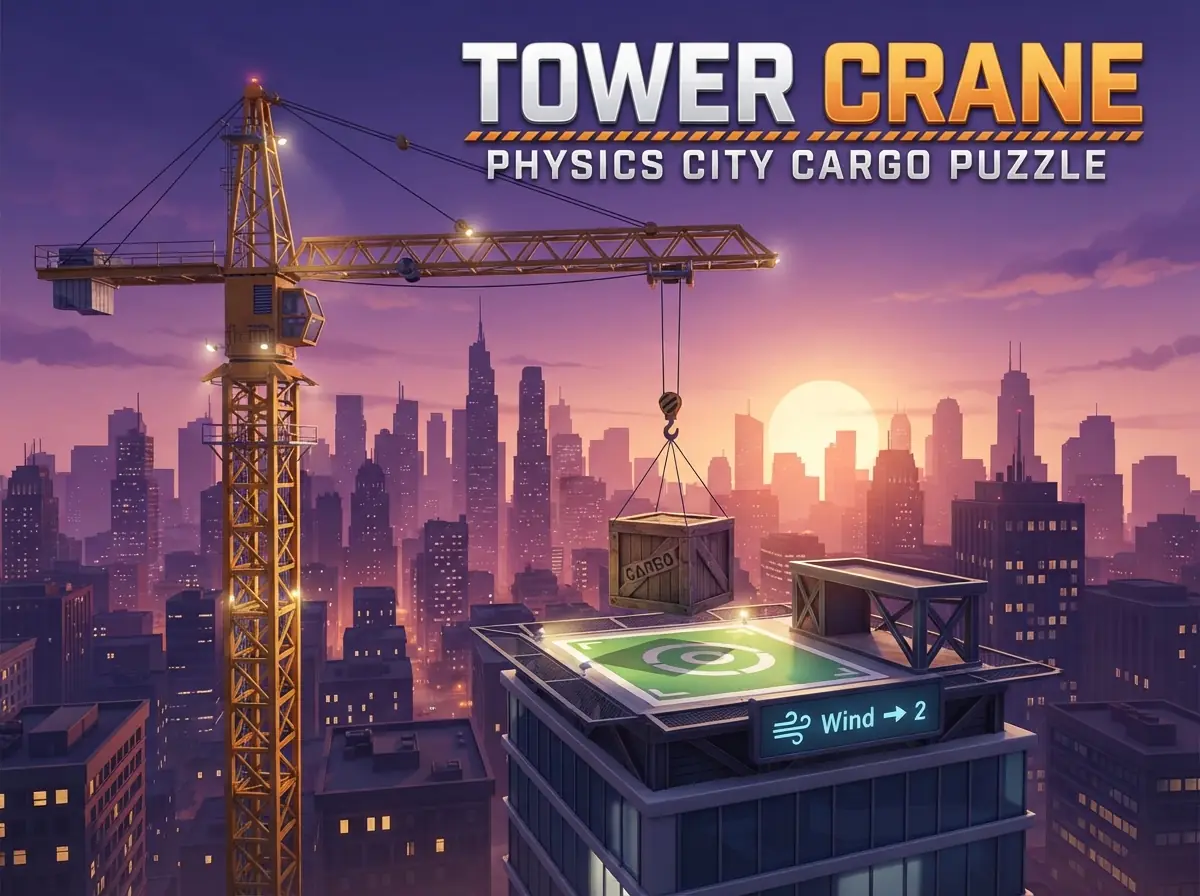
- In Tower Crane, you tap to release a swinging crate, and the exact moment in the swing decides whether it lands dead-centre or topples the tower.
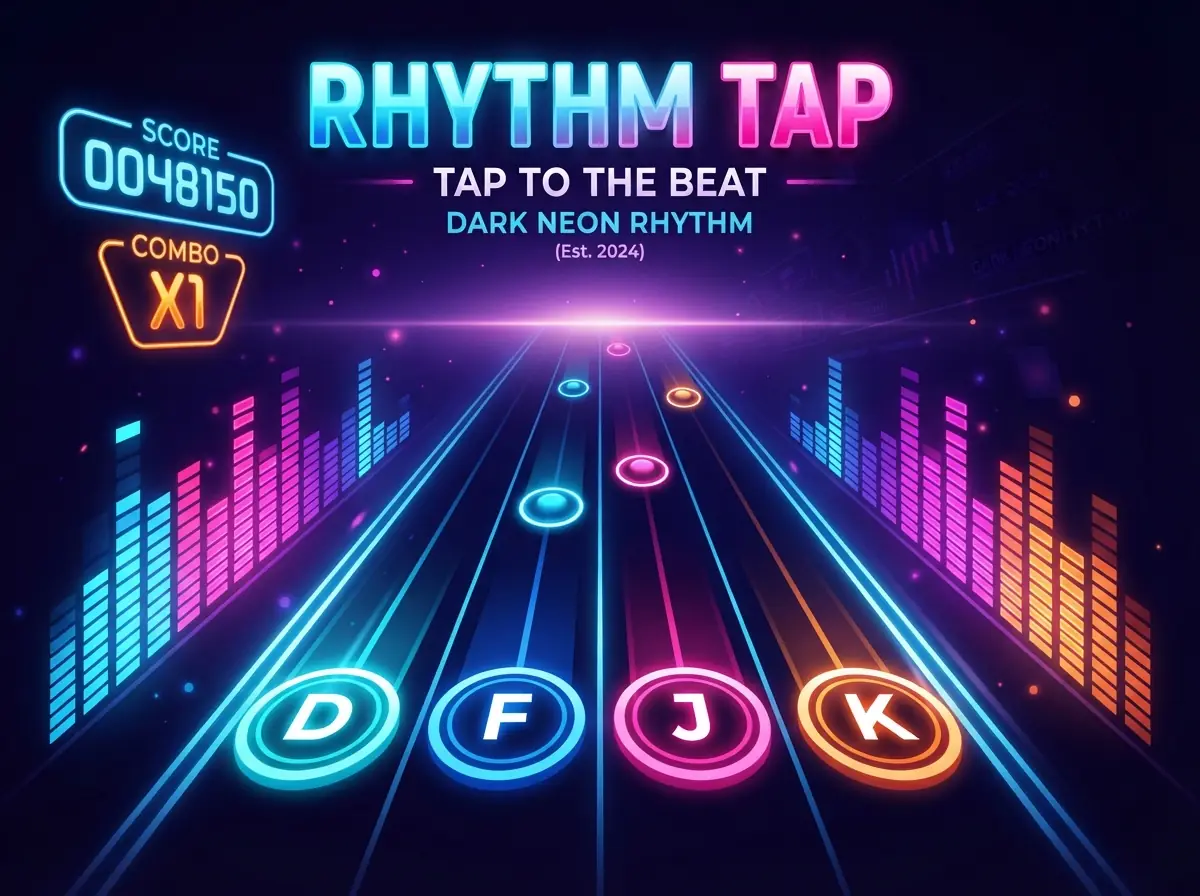
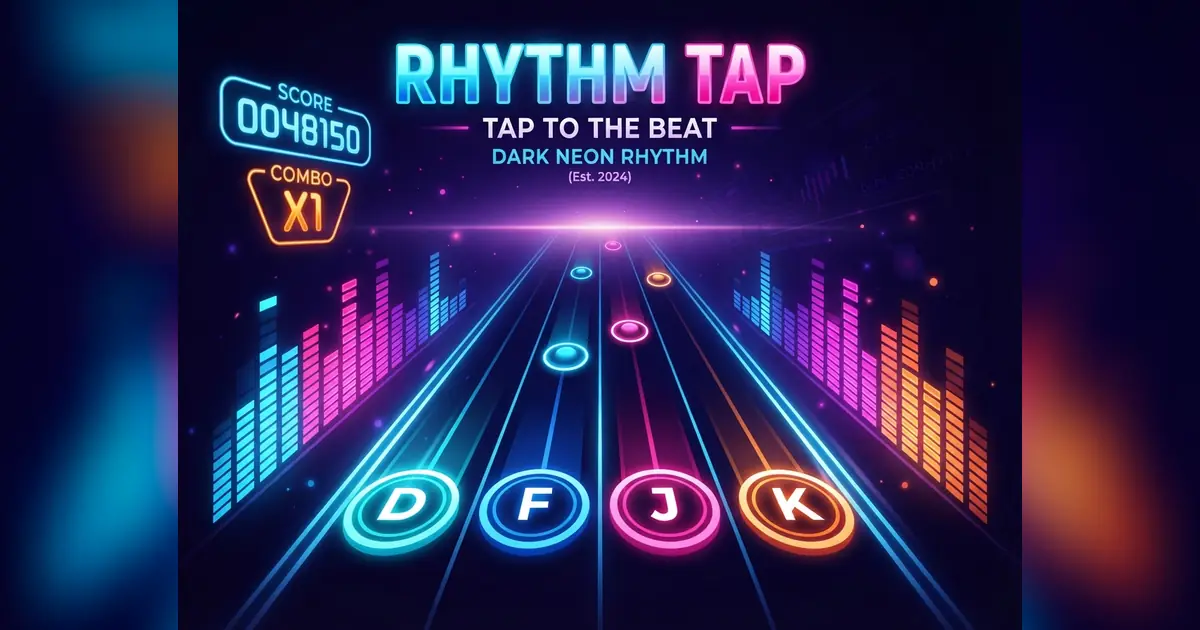
- In Rhythm Tap, there are four lanes, but each note is still a single timing decision: tap as it crosses the line.
Tiny differences in timing produce very different results, and that is where mastery lives.
Rhythm makes it feel good
Good one-button games have a pulse. Objects slide, swing or scroll at a steady pace, and players naturally fall into a rhythm with it. When your tap lands in time with that rhythm, it feels satisfying in the same way that clapping on the beat does. Rhythm Tap makes this literal: the notes follow a live synth track.
Designers support this with feedback: a sound on a perfect drop, a flash of light, a short pause that lets the moment land. These small touches, often called "juice", make success feel rewarding.
Fair failure keeps you playing
The reason "one more go" is so tempting is that failure feels fair. You can see exactly what went wrong: you held too long, or you released the crate at the end of its swing. Because the mistake was yours and the fix is obvious, you want to try again immediately.
This works best when restarts are instant. A long loading screen after every failure breaks the spell.
Gentle difficulty curves
A well-built one-button game starts slowly and speeds up gradually. Early success teaches the rhythm, then small changes, such as a narrower cave or a stronger wind on the crane, stretch your skills a little at a time. The best players reach a flow state, fully focused and reacting without overthinking.
Final thoughts
One-button games prove that depth does not need complexity. Clear input, precise timing, satisfying rhythm and fair failure combine into something that is easy to start and hard to stop. Try one of the games above, and notice how quickly you learn it, and how long it takes to truly master it.